
Eye Checkup After 40: Why Regular Screening Matters Even When Vision Seems Normal
Many people assume an eye checkup is necessary only when vision becomes blurry or reading becomes difficult. However, eye specialists commonly observe that several eye conditions begin silently, especially after the age of 40. By the time noticeable symptoms appear, damage may already have progressed.
Regular eye screening after 40 is not only about updating spectacle power. It is about detecting eye problems early, before they begin to affect vision permanently.
What Changes in the Eyes After 40?
As age increases, natural changes begin inside the eye:
- The eye lens slowly loses clarity, leading to cataract formation
• Risk of increased eye pressure rises, which may lead to glaucoma
• Retina health becomes more vulnerable, especially in diabetic or hypertensive patients
• Tear production reduces, causing dryness and irritation
The challenge is that many of these changes occur without pain or immediate visual disturbance. Vision may seem perfectly fine while problems are developing internally.
This is why routine screening becomes important even when no symptoms are noticed.
Why Do Many Families Delay Eye Checkups?
Despite awareness, eye checkups often get postponed. Common reasons include:
- Elderly family members avoiding hospital travel
• Long waiting times discouraging appointments
• Busy work schedules delaying visits
• Assuming vision problems are normal with age
• Ignoring symptoms until they worsen
As a result, many patients reach hospitals only after vision problems start interfering with daily life.
Doctors often see patients wishing they had come earlier for screening.
What Does a Proper Eye Screening Include?
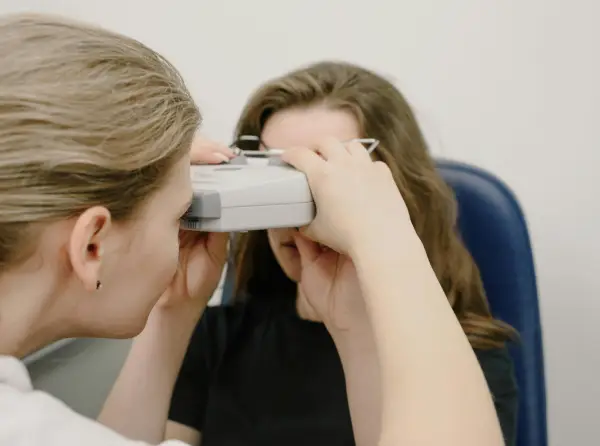
A meaningful eye screening involves more than checking spectacle number. It generally includes:
Vision and Refraction Testing
To measure clarity of vision and determine if spectacles need change.
Eye Pressure Measurement
Important to detect glaucoma risk, which can damage vision silently.
Front Eye Examination
Helps detect early cataract, corneal issues, or inflammation.
Retina Screening
Crucial for detecting diabetic retina damage, macular degeneration, or other retinal problems before symptoms begin.
How Often Should Adults Get Eye Screening?
A practical screening schedule is:
- Age 40–50 with no medical conditions: once every 1–2 years
• Above 50 years: yearly screening
• Diabetic or hypertensive patients: every 6–12 months
• Anyone experiencing sudden visual symptoms: immediate checkup
Regular monitoring allows early treatment and prevents complications.
A Smarter First Step Before Hospital Visits
Today, many families prefer beginning with eye screening before visiting hospitals. Screening helps determine whether hospital treatment is actually required or if routine monitoring is sufficient.
For elderly patients or busy professionals, screening options closer to home including home-based screening help overcome delays and encourage timely evaluation.
Hospital visits then become purposeful, ensuring patients receive treatment only when necessary.
When Should You Visit a Hospital Directly?
A hospital visit becomes important when screening detects:
- Cataract affecting daily activities
• Retina damage requiring treatment
• Glaucoma needing monitoring
• Sudden loss or distortion of vision
• Eye pain or severe redness
Screening helps guide the right decision at the right time.
Conclusion: Protect Vision Before Symptoms Begin
Most serious eye conditions can be successfully managed if detected early. Regular eye screening ensures that treatment decisions are made before vision loss begins to affect quality of life.
Families who adopt routine screening often avoid emergency situations later.
Book Eye Screening in Noida
Families in Noida and nearby areas can now choose At-Home Eye Screening by Tirupati Eye Centre, allowing eye tests to be conducted comfortably at home, with reports reviewed by specialists and guidance provided on whether hospital consultation is required.
Scheduling screening on time is one of the simplest steps toward protecting long-term eyesight.
